New construction has a glow to it. Fresh shingles, modern fixtures, crisp drywall. Resale homes, on the other hand, carry the imprint of time: settled framing, seasoned mechanicals, and the story of every owner who came before. If you are choosing between them in London, Ontario, the home inspection is your compass. The work changes with the property’s age and history, and the stakes shift too. I have walked through hundreds of houses in London and area, from Southcrest to Stoney Creek, from infill builds near Old North to farmhouses outside Komoka. The surprises aren’t always where buyers expect.
This guide spells out how inspections differ on new construction versus resale, what to expect in the London market, and how to use specialized services like mold testing or thermal imaging house inspection only when they add true value. Whether you are booking a home inspection London Ontario for a tightly scheduled pre-delivery walkthrough or a conditional offer on a century home in Woodfield, the approach should fit the house, not the other way around.
What a home inspection is really for
Buyers often picture a pass or fail. That is not how this works. A home inspection is a snapshot in time of visible and accessible components, paired with judgment earned from many, many houses. A good home inspector identifies safety concerns, flags material defects, anticipates likely near-term expenses, and explains how the house breathes, drains, and wears. The best inspectors also teach. You should leave knowing how to shut off the water main, where the attic hatch is, and what maintenance will keep the place healthy.
In London and southwestern Ontario, climate is a character in the story. Freeze-thaw cycles stress masonry and foundations. Summer humidity pushes moisture into the building envelope, then winter’s dry air pulls it out. Wind-driven rain off open fields tests siding and flashing. A home inspection Ontario professional familiar with local soils, basement waterproofing styles, and common builder details will catch things an out-of-town generalist might miss.
The London, Ontario context
London’s housing stock is a patchwork. You can find:
- Post-war bungalows with cast iron drains and half-inch copper supply lines. 1970s two-storey homes with poured concrete foundations, aluminum wiring in a subset of years, and original wood windows that have seen better days. 1990s suburbs with PVC drains, plastic vapor barriers, and early generation roof vents that sometimes underperform. Newer subdivisions with engineered floor systems, spray foam rim joists, and high-efficiency furnaces paired with HRVs.
Beyond the core, satellite communities like Komoka, Dorchester, and Mount Brydges mix older rural stock with brand-new subdivisions. Sarnia sits down the 402 with its own climate twist: lake influence changes wind and moisture patterns, and indoor air quality Sarnia, ON concerns often relate to dated ventilation or moisture management in basements near the river.
Knowing these micro-patterns matters. It shapes where an experienced home inspector London ON will look harder and what they will test.
New construction inspections: what changes and why they matter
Buyers often think a new house should be flawless. The reality is different. Construction is complex, trades overlap, schedules squeeze, and quality varies by site supervisor. Most issues on new builds are not catastrophic, but many are best caught before drywall is sealed or within the first year of occupancy.
There are three useful checkpoints on a new build in Ontario:
Pre-drywall or pre-insulation. This is where framing alignment, fire blocking, plumbing stack paths, and wiring runs are visible. You see how air barriers and exterior sheathing are taped at joints. You can count fasteners on joist hangers and confirm nail patterns on shear panels. This inspection is fast and focused, but it pays off. A missing fire stop between garage and living space, for instance, is cheap to fix before drywall.
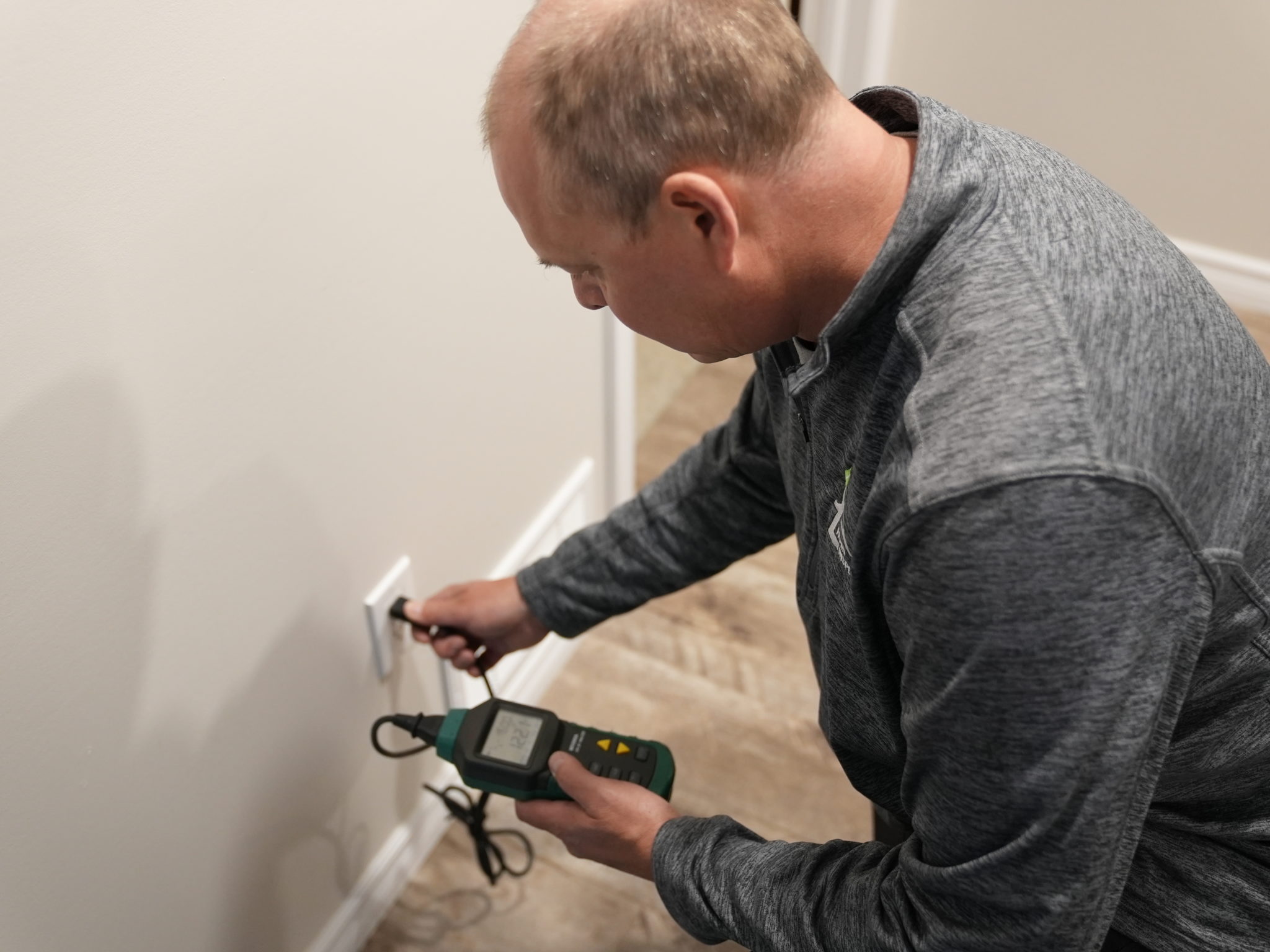
Pre-delivery inspection with the builder. This is your formal walkthrough before closing. The builder will record deficiencies. Bringing your own home inspector, where permitted by the builder, shifts the conversation from cosmetic to functional. Poorly sealed exterior penetrations, reversed hot-cold supply at a fixture, missing GFCI protection at an exterior receptacle, or a dead leg in a plumbing run are examples I have found at this stage. A thermal imaging house inspection can highlight missing insulation or heat loss at corners, though interpreting it properly takes experience with building envelope physics and the day’s temperature differential.
Tarion one-year warranty inspection. In Ontario, the first-year mark is when many small cracks in drywall, nail pops, and door adjustments get addressed. More importantly, seasonal issues show themselves: ice dams at eaves where attic ventilation is poor, water under a basement window well after a heavy storm, or condensation on HRV cores from incorrect settings. An inspection before you submit the warranty form arms you with a precise list, in the language builders respect.
Common new-construction issues in London’s climate include minimal attic baffles, undersized downspouts, patio slabs sloped toward the foundation, and parapet flashing details on modern flat or low-slope roofs that favor form over function. I have also found laundry drain standpipes without traps, incorrectly wired 2-pole breakers for heat pumps, and under-supported tub platforms.
Where does mold inspection fit for new homes? It is not routine. However, if framing sat exposed in a wet spring or there were delays with the roof on, surface growth can appear on subflooring or studs. When I see staining that suggests repeated wetting, I may recommend mold testing to verify the species and concentration or to document a remediation step before the builder covers it. Air quality testing London Ontario on a brand-new house is rarely necessary unless occupants report odors or respiratory symptoms that could relate to off-gassing or elevated particulate during sanding. In that case, targeted VOC and particulate sampling can be useful after move-in.
Resale inspections: aging systems, hidden history, and judgment calls
Resale homes require a different eye. The story now includes maintenance habits, renovations of uneven quality, and materials that might be near the end of their life. Roof shingles in London tend to last 15 to 20 years depending on ventilation and sun exposure. Asphalt driveways crack from the same cycle that breaks curbs. Sump pumps matter more here than in many parts of the province because clay soils hold water.
On a resale, the inspection focuses on three layers: structure, envelope, and systems. Structure includes foundation, framing, and major supports. Envelope covers roofing, cladding, windows, exterior doors, insulation, and water management. Systems are electrical, plumbing, heating and cooling, and ventilation. A home inspector London Ontario who has seen hundreds of resales knows how these layers interact. For example, efflorescence patterns on a foundation wall, combined with rust bloom on lally columns and a musty odor near the cold room, tell a coherent story about water entry and airflow.
I pay special attention to basements. Finished basements are common in London, and many were DIY or done before building codes tightened on vapor barriers and foam against foundation walls. Where I cannot see behind drywall, I probe with a moisture meter, use a borescope through small openings behind baseboards when permitted, and sometimes recommend mold inspection if readings suggest hidden moisture. Mold testing London Ontario is not part of every resale inspection, but when occupants report symptoms, or I find peat-like odors plus high relative humidity, sampling helps size the problem before you adopt it.
For houses from the 1960s to early 1970s, I look for aluminum branch wiring. It is not an automatic deal breaker, but connections require proper devices and antioxidant paste. Insurance companies in Ontario ask pointed questions about it. On older homes, knob-and-tube wiring or mixed circuits in walls that have been partially renovated can pose real risk and insurance headaches. That is when I suggest a licensed electrician evaluate, and I document the scope for negotiation.
Asbestos home inspection needs careful home inspection london ontario language. You cannot diagnose asbestos by sight. In London’s older stock, asbestos-containing materials appear in vermiculite insulation, some vinyl floor tiles, drywall compound, pipe wrap, and even ceiling texture. When renovations are planned, asbestos testing London Ontario is a prudent step. For a routine transaction, I identify suspect materials, explain the likelihood based on era and visual cues, and recommend lab testing if disturbance is expected. Buyers appreciate clarity about cost ranges: small removal jobs might be in the low thousands, while attic vermiculite remediation can be considerably more.
HVAC systems tell another piece of the story. High-efficiency furnaces need proper combustion air and drainage management. Condensate lines that run uphill, missing traps on A-coil drains, or frozen discharge lines in January are more than annoyances. HRVs and ERVs, common in newer resales, are often set incorrectly. I walk buyers through settings for winter versus summer and point out dirty core filters that suppress their performance. That education is part of why people hire home inspectors highly rated by past clients; it reduces buyer anxiety and future service calls.
Comparing risk profiles: new build vs. resale
A new house concentrates risk in workmanship and incomplete systems. A resale spreads risk across wear, maintenance, and unknowns behind finishes. On average, the cost of near-term repairs is higher with resales, but the nature of those repairs is predictable: roofing, windows, exterior caulking, grading correction, aging furnaces or water heaters. New builds rarely need big-ticket fixes in year one, but warranty claims take time and persistence to resolve.
Resale homes can also carry environmental risks that new houses generally avoid. Lead paint, asbestos, and old fuel oil tanks come to mind. Indoor air quality problems differ too. In older homes, mustiness from moisture in finished basements is far more common than VOC concerns. In new homes, odors sometimes come from construction adhesives or new materials. A targeted air quality testing London Ontario program should match those profiles instead of running broad panels that do not answer a specific question.
When specialized inspections make sense
Thermal imaging house inspection. An infrared scan shines when there is enough temperature difference between indoors and outdoors, typically at least 8 to 10 degrees Celsius. On resales, it can reveal missing insulation at kneewalls, air leakage around attic hatches, or hidden moisture behind a tiled shower. On new builds, it highlights insulation voids at corners and rim joists. The tool is not magic. Wet surfaces and reflective materials can mislead. Experience and confirmation with moisture meters or visual inspection matter.
Mold inspection and mold testing. Use these when there is a clear reason. That could be visible growth, water entry history, musty odors, occupant health concerns, or unusual moisture readings. Surface sampling identifies what is growing. Air sampling compares indoor and outdoor spore counts and types. I prefer to start with moisture investigation, since mold without moisture is unlikely. If the house is in Sarnia or anywhere near watercourses, and you see chronic humidity over 60 percent or condensation on basement ducts, indoor air quality Sarnia, ON testing can help target fixes.
Asbestos testing London Ontario. This is valuable before renovation. If a buyer plans to open walls, remove floors, or reconfigure a kitchen in a house built before the mid-1980s, I point out suspect materials and recommend lab testing. That allows a realistic budget and safe work plan. A general home inspection cannot certify asbestos-free status.
Sewer scoping. London has neighborhoods where tree roots find their way into older clay sewer laterals. A camera scope of the main sanitary line gives more certainty on resales, especially with large street trees or slow drains. It is not strictly a home inspection, but I suggest it when conditions point that way.
Radon screening. Southwestern Ontario has pockets of elevated radon. If the buyer is concerned, a long-term test is best, but a short-term screen can be a starting point. Many new homes are radon rough-in ready, but few owners ever activate the system unless measurements justify it.
Commercial building inspection. For buyers considering a live-work property or small mixed-use building, the inspection scope shifts to roof assemblies over larger spans, commercial-grade HVAC, and egress and fire separations. A commercial building inspector is tuned to those details. Not all home inspectors handle commercial inspections, so ask.
A walk through a typical new build in London
A buyer invites me to a pre-delivery walkthrough in Hyde Park. The house is a two-storey with a walk-out basement, vinyl siding, and a 30-year architectural shingle roof. We start outside. Downspouts discharge too close to the foundation on the uphill side. I recommend extensions to get water at least six feet away on sloped sites. The step from garage to house has a half-inch gap under the weatherstrip, enough to admit wind-driven rain. Easy fix.
Inside, I check GFCI at kitchen outlets and AFCI on the main floor receptacles. One exterior receptacle does not trip as expected. The builder’s site supervisor notes it. Thermal scanning shows a cold stripe at the front corner of a bedroom exterior wall. Likely a missing batt or poorly sealed sheathing seam. We ask for the drywall to be opened and insulated before closing. In the attic, baffles are present over the eaves, but one bay lacks a baffle where the truss meets the gable end. That is a common miss. I also confirm the HRV is balanced and explain filter maintenance. We run every plumbing fixture, look for S-traps and dead ends, and check slope on condensate lines. The list grows to a dozen items, none tragic. The buyer closes, then uses the one-year Tarion check to capture seasonal items like door swelling and exterior caulk shrinkage. The outcome is a house that performs as designed.
A walk through a typical resale near Old South
The house is a 1950s brick bungalow with a finished basement. A local home inspector should know these houses often have cast iron main stacks and a mix of copper and galvanized supply lines. Outside, grading slopes gently toward the side yard. Downspouts tie into buried clay tiles. I advise disconnecting and extending the downspouts above grade. Efflorescence on the lower block courses inside points to chronic moisture. We find minor dampness along a panelled basement wall with my meter. No visible mold, but the smell is earthy behind a built-in. I recommend opening a test section before firming up the deal, or, if the seller will not allow it, budgeting for potential remediation and mold testing targeted to that wall if the buyer proceeds.
Upstairs, windows are mid-1990s vinyl, still sealing fine. The roof is 12 years old by permit records, ventilated via a ridge vent and soffit vents. Attic insulation is R-32 cellulose. A thermal scan on a cold day shows some heat loss at the attic hatch; I suggest weatherstripping and an insulated cover. Electrical service is 100 amps with copper branch wiring, but the panel has double-tapped breakers and a handful of unlabeled circuits. I call for an electrician to tidy it up and confirm outlets have the correct devices where aluminum may exist, since a side bedroom shows aluminum wiring entering the box even though most of the house is copper. Not unusual in partial renovations.
The buyer learns the true condition of the house, not a sales pitch. They adjust their offer to account for grading and electrical corrections, and they plan a simple basement dehumidification strategy with targeted air sealing.
Choosing the right home inspector
Credentials matter, but local track record matters more. Ask potential inspectors how many homes they have inspected in London over the past year, and in what neighborhoods. Look for a home inspector London Ontario who can talk comfortably about specific builders, common drainage quirks in Summerside, or the way wind loads hit houses near open fields by the 401. Home inspectors highly rated by clients earn that reputation by showing up on time, talking plainly, and staying curious.
A few signals help:
- They carry appropriate insurance and offer a clear, written scope. They welcome your presence, walk you through findings, and keep the report readable. They have relationships with specialists for mold inspection, asbestos testing London Ontario, or sewer scoping, without pushing extras you do not need. They own and understand tools, from thermal cameras to moisture meters, and know when not to use them. They keep learning, especially about ventilation, building science, and local code changes.
Note the phrase home inspectors near me often returns a list of generalists. That is a start, but dig deeper. A local home inspector invested in London will also know which trades respond quickly if you need quotes within a conditional period.
Costs, timelines, and what to expect from reports
For a typical detached home in London, a standard home inspection runs a few hundred dollars, with size and complexity adding cost. New construction pre-drywall checks are shorter and priced accordingly, while Tarion one-year inspections fall near the standard range. Specialty services like mold testing or air quality testing London Ontario add lab fees. A sewer scope and asbestos sampling are separate line items. Commercial building inspection has its own scale, often based on square footage and complexity.
Timelines matter in busy markets. On a resale, aim to book your home inspection London early in the conditional period to leave time for follow-ups. A thorough inspector should spend 2.5 to 4 hours onsite, more for larger properties, and deliver a report the same day or by the next morning. Reports should include photos, clear descriptions, and practical guidance. Cosmetic notes are fine, but the focus should stay on safety, function, and significant cost items.
Avoiding common mistakes buyers make
Skipping the inspection on a new home because of warranty is the big one. Warranties fix many things, but they are easier to exercise with clear documentation and third-party observations. The second mistake is grabbing the cheapest inspection without checking experience. An underpriced inspection Home inspector can be expensive if it misses a failing roof or a foundation water issue.
The third mistake is over-testing without cause. Broad indoor air quality panels look impressive, but they sometimes generate noise instead of answers. Start with observations and moisture mapping. Use mold testing when there is a target. Use asbestos testing when you plan to disturb materials. Trust a commercial building inspector for mixed-use or light industrial rather than forcing a residential approach.
Where add-ons deliver good value in London
Thermal imaging pays dividends when the weather cooperates. I have found entire attic bays missed by blown insulation crews and wet shower surrounds where grout hairline cracks allowed flow behind tile. Sewer scoping catches root infiltration before you own the problem. Asbestos testing is key for renovation planning, especially in pre-1980s basements and kitchens. In Sarnia, near-river humidity and older ventilations systems can justify an indoor air quality Sarnia, ON assessment alongside a home inspection Sarnia if you are shopping there too.
How to use the report to negotiate or plan
On a new build, the report becomes a deficiency list for the builder. Phrase items as performance-based requests: ensure attic ventilation meets manufacturer specifications, improve downspout discharge to prevent foundation saturation, correct reversed polarity at exterior receptacle. Builders react better to specifics tied to code or manufacturer instructions than to vague complaints.
On resales, share the report with your agent and decide what matters most. Life safety items like missing handrails, exposed electrical connections, or gas leaks demand immediate action. Water management issues almost always deserve attention in London’s climate. Aging components become negotiation chips. Sometimes the right move is a price reduction and you handle the work after closing with your own trades. Other times, you ask the seller to address a narrow, high-risk item like an active leak before firming up.
Final thought for buyers on the fence
New or resale, you are buying the shell, the guts, the air that moves through it, and the way water is kept out of it. A good home inspection London Ontario makes those invisible pieces visible long enough to choose wisely. Be wary of anyone who tells you a new home does not need an inspection, or that an old house is a money pit simply because it is old. Houses are systems. They reward attention and punish neglect. With the right home inspector Ontario by your side, you can see which one you are about to own, and what it will ask of you over the next five to ten years.
1473 Sandpiper Drive, London, ON N5X 0E6 (519) 636-5710 2QXF+59 London, Ontario
Health and safety are two immediate needs you cannot afford to compromise. Your home is the place you are supposed to feel most healthy and safe. However, we know that most people are not aware of how unchecked living habits could turn their home into a danger zone, and that is why we strive to educate our clients. A.L. Home Inspections, is our response to the need to maintain and restore the home to a space that supports life. The founder, Aaron Lee, began his career with over 20 years of home renovation and maintenance background. Our priority is you. We prioritize customer experience and satisfaction above everything else. For that reason, we tailor our home inspection services to favour our client’s convenience for the duration it would take. In addition to offering you the best service with little discomfort, we become part of your team by conducting our activities in such a way that supports your programs. While we recommend to our clients to hire our experts for a general home inspection, the specific service we offer are: Radon Testing Mold Testing Thermal Imaging Asbestos Testing Air Quality Testing Lead Testing